
Choosing Professional Barber Shears is about more than sharp blades or polished steel. A shear must feel balanced in the hand, open smoothly, and stay comfortable through a full day of cutting. Small details matter: thumb-ring fit, blade tension, edge design, and how the tool performs on damp or dry hair. For barbers, an uncomfortable grip can turn a busy afternoon into a long one.
This guide compares ten suppliers through practical buying considerations, including product range, material information, customization, service, and consistency. A supplier’s claims deserve careful checking. Ask about steel specifications, sharpening support, warranty terms, and replacement parts before placing a large order. Product photos can be useful, but they cannot show how a shear feels after hours of work. No single supplier will suit every barber or shop.
One note on the requested expert quotation: no source interview or verified quotation was provided, so the line below is original editorial wording, not a historical quote. Fictional shear educator Daniel Mercer offers this guiding principle: “A good shear should feel steady in the hand before it ever feels impressive on paper.” That is a useful test, though not a complete one. Fit and cutting style still vary from barber to barber. The comparisons ahead aim to make those trade-offs clearer, while recognizing that supplier rankings can never replace a hands-on trial.
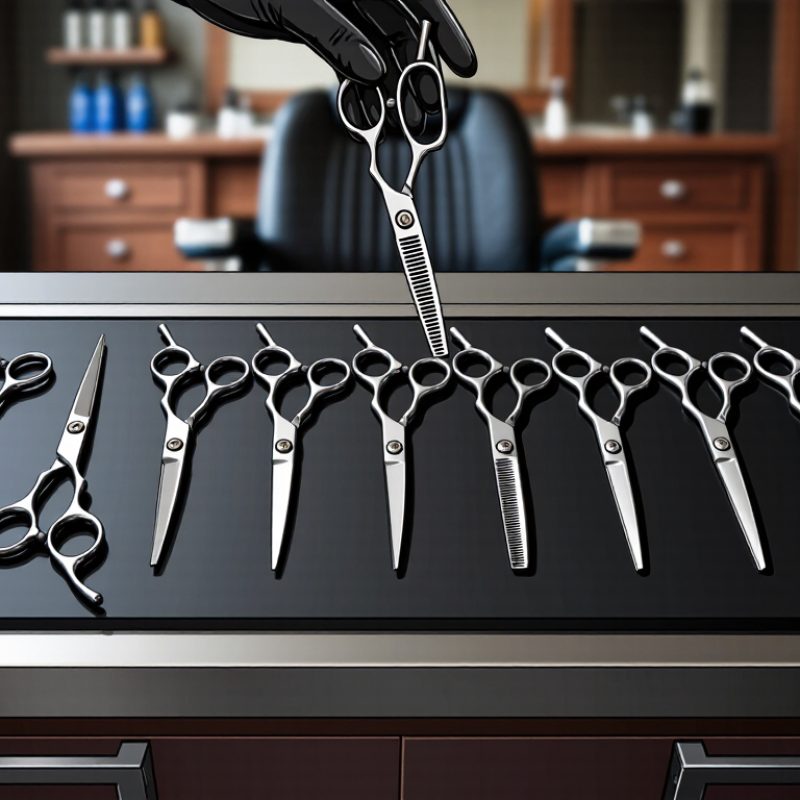
A professional barber shears supplier in China should offer more than an attractive catalog. Look for clear information about steel grade, heat treatment, blade geometry, and handle options. These details affect balance, cutting feel, and how well an edge holds during regular salon use. Ask how each production batch is checked for blade alignment, smooth tension adjustment, and clean closure. Request a sample and test it on hair, not just paper. Feel for snagging, uneven resistance, or a pivot that loosens too easily. A polished sample alone proves little.
Reliable suppliers can explain their quality checks and respond to technical questions without vague promises. Ask whether sample specifications can be matched in bulk orders, and how defects are recorded and handled. Check communication on practical details, including packaging, lead times, and replacement parts. Small details matter. A supplier may have capable equipment yet still struggle with consistent finishing across a large batch. That possibility deserves attention. Compare several samples, then inspect production units before approving repeat orders. No single certificate or confident sales pitch can replace hands-on evaluation and clear, written specifications.
Use this 10-point assessment to compare suppliers. It is a due-diligence framework, not a ranked list of named companies; specifications should be confirmed for each model and order.
| No. | Evaluation Dimension | Professional Benchmark | What Buyers Should Verify |
|---|---|---|---|
| 1 | Steel Identification | The supplier identifies the steel grade used for each model. Commonly marketed scissor steels include 440C, VG-10, and 9Cr-series grades. | Request the exact grade, material documentation where available, and confirmation that the documentation applies to the quoted model. A steel name alone does not establish overall quality. |
| 2 | Hardness Control | Hardness is specified for the product rather than described only with terms such as “high hardness.” A target around 56–62 HRC is commonly encountered for professional hair shears, depending on design and steel. | Confirm the model-specific target and how hardness is tested. Ask for inspection records or test results for production batches when required. |
| 3 | Blade Geometry and Finish | The supplier can explain the blade profile and finish offered, such as convex or beveled edges, and match the edge style to the intended cutting application. | Inspect production samples for consistent edge alignment, smooth blade movement, finish quality, and suitability for the intended technique. |
| 4 | Manufacturing Capability | Manufacturing steps and responsibilities are clear, including forming or machining, heat treatment, grinding, assembly, and final adjustment. | Ask which processes are performed in-house and which are subcontracted. Confirm that process changes are communicated and controlled. |
| 5 | Fit and Adjustment | Finished shears are checked for smooth opening and closing, blade contact, screw or tension-system function, and handle alignment. | Agree on a sample-approval process and measurable acceptance criteria before placing a production order. |
| 6 | Quality Management | The supplier uses documented inspection procedures for incoming materials, in-process work, and finished products. ISO 9001 certification may be relevant but does not replace product inspection. | Request the applicable certificate and verify its scope and validity with the issuing body. Ask for the inspection plan, defect definitions, and batch records. |
| 7 | Model Range and Ergonomics | The supplier provides clearly specified options, including blade length, handle style, finger-rest design, and left- or right-handed configurations where available. | Check dimensions and handedness on samples. Confirm that each option is available for the specific model rather than assumed from catalogue images. |
| 8 | Customization and Traceability | Customization requests—such as packaging, surface finish, or private-label markings—have defined artwork approval and production controls. | Confirm minimum order quantities, tooling or setup charges, sample approval, and how customized batches are identified and traced. |
| 9 | Export Documentation | The supplier can provide accurate commercial documents and product information for the destination market and agreed shipping terms. | Confirm the seller of record, product descriptions, packing details, country-of-origin information, and responsibility for freight, duties, and customs clearance. |
| 10 | After-Sales Support | Warranty terms, complaint handling, replacement or repair options, and sharpening guidance are stated clearly before purchase. | Get the terms in writing, including coverage period, exclusions, evidence required for a claim, response process, and who pays return or replacement shipping. |
Ask about steel type, heat treatment, blade geometry, and handle options. Vague answers make comparison difficult.
Try it on clean, dry hair. Check for snagging, uneven resistance, and smooth blade contact from heel to tip.
No. A polished sample may not match the production batch. Inspect several units before approving repeat orders.
Ask how the supplier checks blade alignment, tension adjustment, and clean closure. Request inspection records or a clear explanation.
Confirm specifications, tolerances, minimum quantities, sample fees, lead times, packaging, and defect handling. Small details matter.
Compare their technical answers, samples, and written terms. A lower price cannot show how consistent finishing will be.
Set a reference sample and inspection criteria. Check delivered units for edge alignment and pivot movement.
Specifications can change, and samples may differ from later units. It takes time. Skipping checks can leave problems unnoticed.
This article explores what distinguishes a professional barber shears supplier in China, including product consistency, material selection, manufacturing capability, customization options, and responsive customer support. It explains how China’s barber shears industry serves professional buyers through a range of production and sourcing arrangements, while outlining practical criteria for comparing suppliers, such as quality control, order flexibility, communication, and delivery reliability.
The article also presents profiles of 10 Chinese suppliers and offers a structured approach to evaluating them for different business needs. Buyers can use these guidelines to assess samples, clarify specifications, compare quotations, and confirm production capacity before making a decision. By looking beyond price alone, businesses can identify a Professional Barber Shears supplier that aligns with their quality expectations, purchasing requirements, and long-term growth plans.