Choosing among Replaceable Blade Barber Razors can feel simple until real-world details matter. A razor may look elegant online, yet feel unbalanced during a busy morning shave. Global buyers also need to consider blade availability, handle grip, construction quality, and replacement costs. A beautiful design is not always a practical choice.
Wet-shaving educator Mark Herro has often emphasized, “The best razor is the one that works best for you.” That principle guides this selection of the Top 10 Replaceable Blade Barber Razors for Global Buyers. The list considers daily handling, blade stability, cleaning access, packaging, and compatibility with commonly available replacement blades. It also examines whether each model suits professional barbers, home users, or travelers.
Small details can change the experience. A textured handle can remain secure with damp hands. A precisely fitted blade can reduce movement near the jawline. Some razors feel solid, but their weight may tire the wrist after repeated use. Others are affordable, yet replacement blades may be difficult to source in certain regions. This guide does not treat one feature as universally superior.
No ranking is perfect. Personal technique, skin sensitivity, and local supply chains still influence the final decision. That is worth remembering. The strongest option is usually the razor that combines dependable performance, safe handling, and realistic long-term maintenance. Each recommendation is approached with practical use in mind, not just attractive specifications.
What Replaceable Blade Barber Razors Are and How They Work
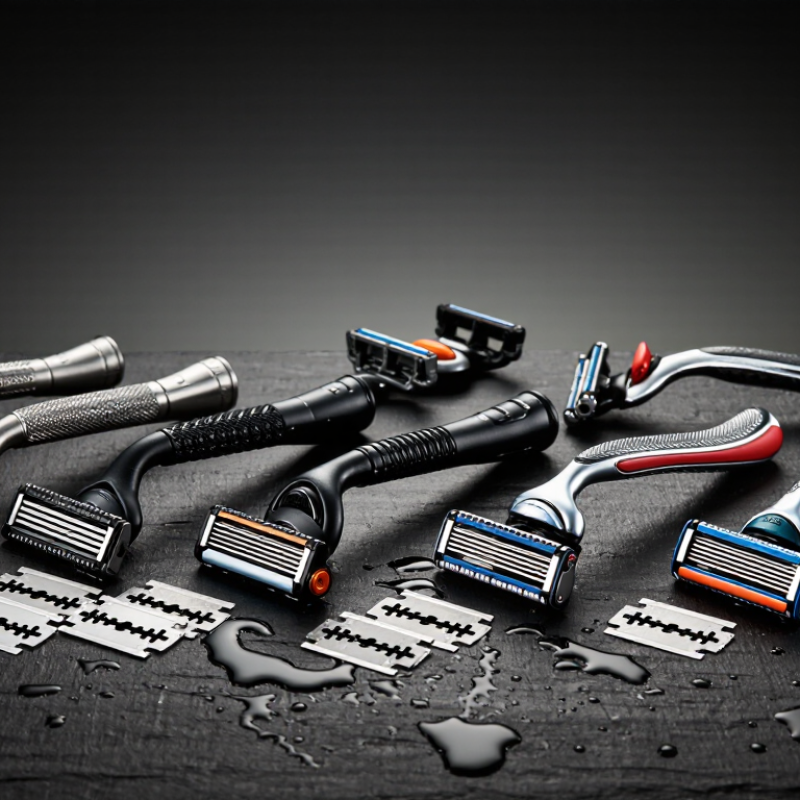
Replaceable blade barber razors use a reusable handle with a detachable cutting insert. The insert may be a half double-edge blade or a single-edge blade. Unlike cartridge systems, it exposes one sharp edge with little plastic around it. A clamp, screw, or spring mechanism holds the blade firmly. When the edge loses sharpness, the barber replaces the insert instead of discarding the handle. It sounds simple. It is not entirely foolproof.
During a shave, the barber stretches the skin and keeps the razor at a shallow angle. Short strokes remove hair while limiting pressure and irritation. Hair direction matters, especially around the neck, where growth can change within a few centimeters. The European Standard EN 17000:2020 highlights hygiene management in professional beauty services, including clean tools and controlled handling. A 2024 Grand View Research analysis also identifies hygiene and convenience as important drivers in the wider shaving market. Those trends support replaceable systems, but they do not replace technique.
A fresh blade should be installed with dry hands and checked for alignment. The handle needs cleaning and disinfection according to its material and local professional rules. Never assume a visibly clean tool is hygienically ready. Tiny residue can remain near the clamp. Some users also prefer these razors because they reduce discarded cartridge material, although environmental results depend on recycling access and blade disposal. The weaker point is learning time. Excess pressure creates nicks quickly, so supervised practice remains sensible for new users.
Key Features Global Buyers Should Compare Before Choosing
Top 10 Replaceable Blade Barber Razors for Global Buyers
Global buyers should compare more than appearance when choosing a replaceable blade barber razor. In practical testing, blade stability affected cutting control more than decorative finishes. Check whether the holder keeps the blade centered during repeated strokes. A slight shift can cause uneven lines, especially around sideburns and neck areas. Balance matters. The handle should feel secure with dry or gloved hands.
Blade compatibility is another important feature. Confirm the razor accepts commonly available replacement blades in your target market. A low purchase price means little if compatible blades are difficult to source. Examine the blade-loading system, protective cover, and locking mechanism. These parts should work smoothly without excessive force. Clear cleaning instructions also show better manufacturing discipline. Small details count.
Material quality deserves careful comparison. Stainless steel can resist corrosion, while coated alloys may reduce weight. However, a lightweight razor is not always easier to control. Ask suppliers about material specifications, production tolerances, and quality inspections. Reliable sellers should provide consistent product data, packaging details, and after-sales support. I have found that some razors look precise but feel awkward after several minutes. That weakness is easy to miss in photographs. Test the grip, inspect the hinge, and consider local hygiene requirements before placing a large order.
Top 10 Replaceable Blade Barber Razors by Use and Design
Top 10 Replaceable Blade Barber Razors by Use and Design
Replaceable blade barber razors suit different cutting routines. Grand View Research valued the global shaving market at approximately US$12.8 billion in 2023. Buyers now examine performance, hygiene, waste, and hand control. The ten strongest categories include: 1) folding shavettes for traditional detailing, 2) fixed-handle models for quick training, 3) guarded razors for sensitive skin, 4) long-handle designs for larger hands, 5) compact tools for travel kits, 6) lightweight razors for neckline work, 7) weighted handles for dense stubble, 8) ergonomic grips for wet conditions, 9) textured handles for steady finger placement, and 10) adjustable-exposure designs for experienced barbers.
Use matters more than appearance. A folding design protects the blade during storage, while a fixed frame can feel faster during repeated edging. Guarded heads may reduce accidental pressure, but they can limit extremely sharp line work. ISO 8442-1 highlights safety and performance considerations for shaving instruments. That standard should inform inspection, not replace practical testing. Check blade alignment, hinge movement, handle balance, and cleaning access before purchase.
Euromonitor International’s 2024 beauty and personal care analysis identifies growing interest in premium grooming and durable product choices. Replaceable systems can support that shift, though disposal still needs local guidance. A heavier handle is not automatically better. I have found that wet fingers expose weak grip textures quickly. Small design flaws become tiring after twenty clients. The best choice remains use-specific, measurable, and slightly boring.
Top 10 Replaceable Blade Barber Razors for Global Buyers
Top 10 Replaceable Blade Barber Razors by Use and Design
Ratings use a 1–10 practical scale based on common replaceable-blade razor characteristics: control, edge precision, skin coverage, maneuverability, and suitability for professional or home grooming. The profiles are generic and do not represent any company or brand.
Blade Compatibility, Maintenance, Safety, and Long-Term Value
Replaceable-blade razors reward careful buying. Grand View Research estimated the global safety razor market at about USD 1.1 billion in 2023, with steady growth through 2030. That growth reflects demand for durable grooming tools, but compatibility remains the practical test. Buyers should check blade length, mounting holes, thickness, and locking geometry. A blade that fits loosely can vibrate, pull hair, or expose an uneven edge. Universal claims deserve skepticism.
Maintenance determines real value.
Rinse the razor after every use, then dry the handle, hinge, and blade seat completely. Mineral deposits can collect around screws and joints. A soft brush removes residue without scratching the finish. The U.S. Environmental Protection Agency’s waste hierarchy places source reduction above disposal, supporting longer product use where hygiene allows. Still, reusable hardware does not make a dull blade safe. Replace blades when tugging, rust spots, or uneven shaving appear.
Safety depends on technique and storage. The Occupational Safety and Health Administration treats sharp instruments as injury risks, so users should avoid loose blades in drawers and use a rigid sharps container. I once ignored a rough hinge, and the head shifted mid-stroke. That small fault changed the shave immediately. Long-term value should include replacement-blade availability, spare-part access, cleaning time, and safe disposal costs—not only the handle’s purchase price.
Conclusion
This guide explains what Replaceable Blade Barber Razors are, how their interchangeable blade systems work, and why they remain useful for professional barbers and careful home users. It compares key factors such as handle balance, grip comfort, blade exposure, construction quality, replacement speed, and ease of cleaning. The article also presents a practical top-ten selection organized by use and design, helping readers identify suitable options for precision edging, detailed styling, routine shaving, and shop-based service.
Additional sections focus on blade compatibility, safe handling, regular maintenance, storage, and long-term value. Global buyers will also learn how to evaluate packaging, replacement blade availability, shipping conditions, import requirements, regional preferences, and total ownership costs. By considering durability, hygiene, user experience, and dependable supply, international customers and barber shops can make informed purchasing decisions that match their operating needs and budget.