
Custom forged from medical-grade stainless steel with specialized coatings and hand-adjusted tip alignments.
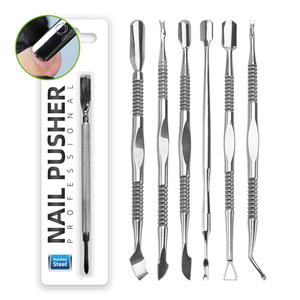
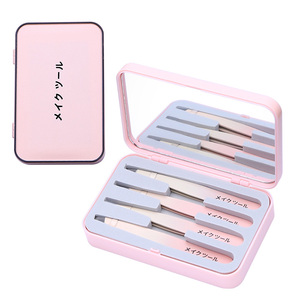
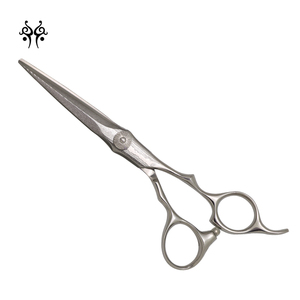
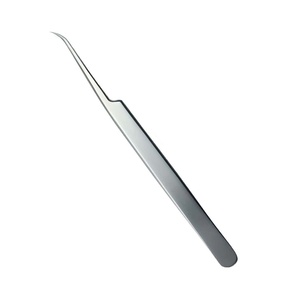
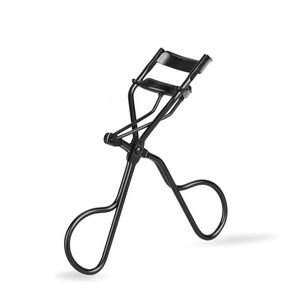
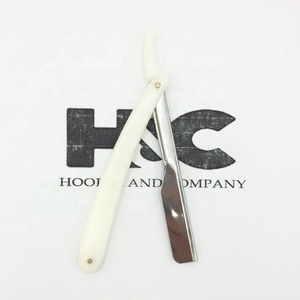
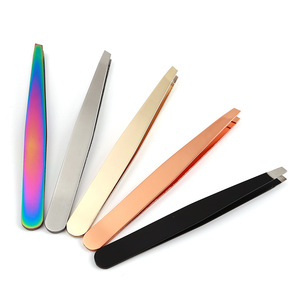
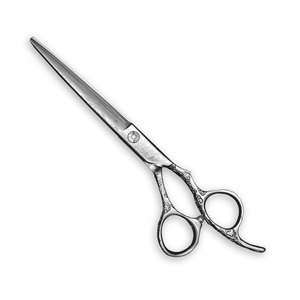
In modern clinical dentistry, periodontics, endodontics, and restorative surgery, dental tweezers (also known as college pliers, dressing forceps, or tissue tweezers) serve as critical extensions of the practitioner's hands. Achieving absolute tactile precision, zero-drift tip alignment, and high corrosion resistance requires rigorous manufacturing standards. As a premier original equipment manufacturer (OEM) and original design manufacturer (ODM) based in the industrial instrument hub of Sialkot, Pakistan, Olfen Industries bridges traditional metallurgical forging with contemporary CNC micro-machining.
This technical whitepaper provides global medical procurement officers, dental tool brand owners, and distributor purchasing managers with actionable intelligence regarding material science, surface passivation, mechanical tension tolerances, and customized OEM supply chain risk management.
Selecting the optimal stainless steel alloy determines the instrument's longevity, spring tension retention, and autoclave endurance. OEM buyers must evaluate two primary alloy categories depending on clinical application requirements:
| Alloy Grade | Metallurgical Type | Hardness (HRC) | Corrosion Resistance | Primary Clinical Application |
|---|---|---|---|---|
| AISI 420J2 / 420C | Martensitic Stainless Steel | 50 – 54 HRC | High (Post-Passivation) | Dressing pliers, serrated cotton tweezers, tissue forceps requiring rigid grip strength. |
| AISI 316L | Austenitic (Low Carbon) | 25 – 35 HRC | Exceptional / Non-Magnetic | Non-magnetic dental tweezers for implantology, microsurgery, and chemical resistance. |
| AISI 304 | Austenitic Stainless Steel | 30 – 40 HRC | Very High | General utility tweezers, cosmetic isolation forceps, single-use diagnostic packs. |
| Tungsten Carbide Inserts | Sintered TC Matrix Tip | 70+ HRC Equivalent | Extreme Wear Resistance | Premium surgical tweezers, gold-handle dental pliers requiring non-slip grip permanence. |
For standard dental dressing tweezers (such as Meriam or Perry patterns), martensitic AISI 420J2 steel is vacuum heat-treated to achieve optimal hardness (50-52 HRC). This prevents the working tips from bending or misaligning under lateral compressive loads while maintaining sufficient elasticity in the handle spring mechanism.
The defining metric of a high-grade dental tweezer lies in tip symmetry and jaw closure mechanics. During OEM production, our craftsmen perform multi-stage hand grinding under optical magnification to meet three critical parameters:
End-to-end private labeling workflows tailored to OEM brands, hospital contract suppliers, and global distributors.
Chemical passivation in accordance with ASTM A967/F86 standards removes free iron contamination, preventing rust formation during 134°C steam autoclaving.
High-resolution fiber laser marking for corporate logos, SKU part numbers, lot codes, and UDI (Unique Device Identification) barcodes compliant with medical device regulations.
Option for customized handle knurling patterns (ridge, diamond, matte satin finish) to optimize practitioner grip ergonomics and decrease fatigue during extended clinical sessions.
Biocompatible Physical Vapor Deposition (PVD) finishes including Titanium Nitride (Gold TiN), Matte Black DLC, Rainbow Plasma, and Anti-Glare Satin coatings for glare reduction under surgical lighting.
Custom packaging designs ranging from sterile blister pouches, autoclave-safe silicone trays, retail gift boxes, to branded pouch sets tailored for direct e-commerce fulfillment.
Multi-stage quality checks including optical comparator tip alignment, hardness testing, boiling corrosion tests, and batch tracking codes on every shipment.
As the global market for dental consumables and precision surgical instruments expands, procurement managers must adapt to evolving regulatory, technological, and environmental standards. Key procurement trends shaping the industry include:
Modern dental operatories increasingly utilize high-intensity LED surgical overhead lights and dental microscopes. Traditional mirror-polished tweezers induce severe light glare, leading to practitioner eye fatigue. Procurement data indicates a 40% year-over-year surge in demand for satin-finished, black-coated PVD, and non-reflective electro-passivated tweezers. DLC coatings not only eliminate glare but also increase surface hardness to over 70 HRC, virtually eliminating tip wear.
Regulatory authorities in North America and Europe are enforcing complete supply chain traceability for all reusable dental tools. OEM factories must provide full lot traceability from raw billet steel certification to final passivation records. Olfen Industries supports global brands by integrating automated laser-etched GS1-compliant DataMatrix barcodes onto tweezer handles during the OEM manufacturing process.
Supply chain transparency is no longer optional. B2B buyers require manufacturing partners to source steel from certified ISO 14001 mills utilizing recycled stainless steel scrap. Furthermore, factory audits prioritize fair labor practices, safe grinding environments, and chemical waste treatment facilities in manufacturing hubs like Sialkot.
Olfen Industries maintains active participation in major international beauty and surgical trade expos while maintaining rigorous international compliance certificates.

Exhibiting active lines at major international expos including the International Beauty Show (IBS) to align designs with practitioner demands.
Factory operations structured under ISO 9001 / ISO 13485 quality systems to ensure repeatable dimensional accuracy across high volume orders.

Located in Sialkot, Pakistan's world-renowned surgical instrument manufacturing district, combining traditional craftsmanship with CNC precision.
Sialkot, Pakistan is recognized globally as a center of excellence for surgical, dental, and beauty instrument production, accounting for over 70% of world export volumes in handcrafted steel instruments. Olfen Industries operates at the intersection of this historic manufacturing ecosystem and modern digital quality control.
Compared to European manufacturers, Sialkot-based OEM production reduces tooling and labor costs by 40% to 60% without compromising stainless steel metallurgy. This allows brand owners to maintain strong gross margins while offering competitive pricing to dental clinics and retail chains.
From hot drop forging and annealing to precision milling, heat treatment, hand grinding, electro-polishing, laser marking, and final blister packing — every step takes place within strictly controlled facility workflows. This eliminates sub-contractor delays and maintains strict quality control.
Unlike monolithic mass producers, Olfen Industries supports emerging brand owners and specialized distributors by providing flexible OEM MOQs starting at modest quantities per SKU, allowing rapid prototyping and market validation.
Partner with an established manufacturer in Sialkot for your dental, surgical, and precision tool manufacturing needs. Download our full product catalog or request a factory-direct quote today.