
State of the OEM/ODM Vintage Sewing Scissors Manufacturing Industry
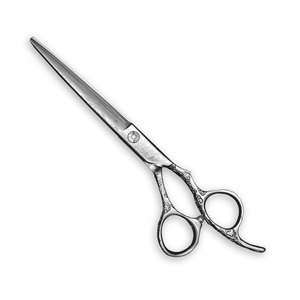
The global demand for vintage-styled sewing, embroidery, and craft scissors has experienced a significant structural shift. What was once considered a niche segment of antique collectibles has evolved into a thriving multi-million dollar commercial market driven by premium crafting brands, boutique haberdasheries, high-end textile artisans, and e-commerce private-label sellers. Vintage sewing scissors—characterized by classic crane designs, European Victorian scrollwork, floral reliefs, and antique bronze or pewter electroplated finishes—require a delicate technical balance: maintaining ornate, nostalgic aesthetic detailing while delivering modern cutting performance through precision metallurgy.
1. Metallurgical Foundations: Steel Grades & Heat Treatment Engineering
Selecting the proper raw material is the most critical decision in OEM/ODM vintage scissors procurement. High-volume retail channels demand rust resistance, low unit cost, and visual appeal, whereas luxury tailoring brands prioritize sharpness retention, Rockwell C hardness (HRC), and smooth tactile tension. Below is an engineering comparison of the primary steel grades deployed in our Sialkot manufacturing plant:
| Steel Alloy | Composition Highlights | Rockwell Hardness (HRC) | Edge Retention | Best B2B Target Market |
|---|---|---|---|---|
| AISI 420J2 Stainless | 13% Cr, 0.15-0.36% C | 50 - 54 HRC | Standard | Promotional craft kits, mass-market retail, gift sets |
| AISI 440C High-Carbon | 16-18% Cr, 0.95-1.20% C | 56 - 58 HRC | Superior | Professional embroidery, haute couture tailoring brands |
| 9Cr13 / 9Cr18MoV | 13-18% Cr, 0.9% C, Molybdenum | 57 - 59 HRC | Ultra-High | Premium salon shears & luxury haberdashery lines |
| Zinc-Steel Hybrid | Die-cast alloy handles + 3Cr13 blades | 48 - 52 HRC | Moderate | Budget decorative vintage gift items & souvenir lines |
2. Surface Finishing Technology: Electroplating vs. Physical Vapor Deposition (PVD)
The defining feature of vintage sewing scissors lies in their intricate surface aesthetic. Modern buyers can choose from a range of advanced surface engineering methods:
- Antique Bronze & Vintage Brass Electroplating: Achieved through multi-stage chemical immersion followed by hand-buffing to highlight high-relief scrollwork and recess shadows. A clear protective lacquer coat prevents oxidation from skin contact.
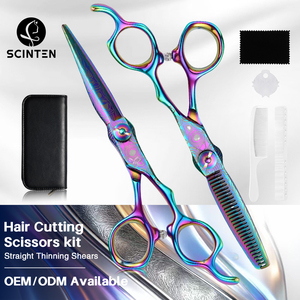
- PVD (Physical Vapor Deposition) Titanium Coating: Vacuum-chamber deposition of titanium nitride creates scratch-resistant metallic finishes including iridescent rainbow, rose gold, matte black, and burnished copper. PVD coatings increase surface hardness while protecting underlying metal from corrosion.
- Mirror & Satin Mechanical Polishing: Precision automated belt grinding combined with hand cotton-wheel polishing yields flawless reflective surfaces on non-plated stainless models.
3. Pivot Mechanics and Cutting Edge Geometry
Decorative aesthetics are meaningless without effortless cutting performance. Professional embroidery and sewing scissors require clean cutting action right to the extreme tips of the blades. Our OEM manufacturing process utilizes precision hollow-grinding on the inner blade faces to minimize friction, paired with micro-adjustable tension screws or classic brass rivets. Blade bevel angles are calibrated between 45° and 55° depending on the target textile density (threads, delicate silk, or heavy canvas).
