
Direct-from-factory OEM/ODM beauty tools manufactured with surgical-grade stainless steel, high-precision jaw alignment, and ergonomic hand-finishing.
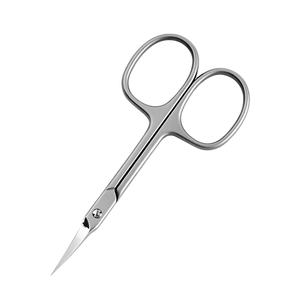
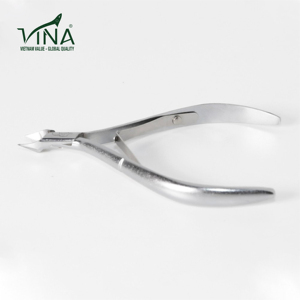
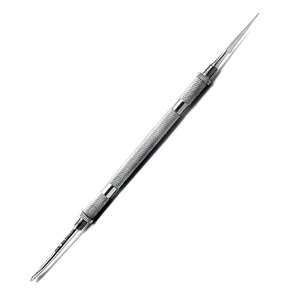
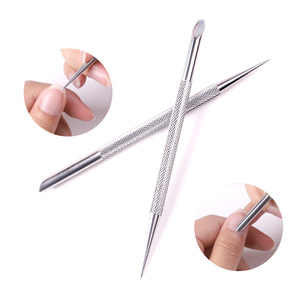
The global beauty and salon instrument market has undergone a significant structural shift. B2B importers, private label brand managers, and retail distributors must evaluate suppliers based on advanced metallurgy, automated blade grinding, and strict ISO quality management protocols.
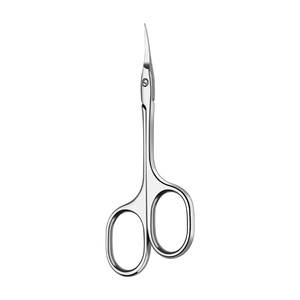
Cuticle removers, nippers, pushers, and nail scissors represent critical high-frequency professional touchpoints. Unlike standard household personal care items, professional nail tools require exact blade tolerance, ergonomic spring resistance, and non-corrosive metallurgical composition capable of withstanding hundreds of medical-grade autoclave sterilization cycles.
China's leading hardware and cutlery hubs—such as Yangjiang in Guangdong—alongside specialized international forging clusters such as Sialkot, Pakistan, have redefined the global supply network. By pairing traditional hand-honing craftsmanship with multi-axis CNC machine grinding and automated PVD (Physical Vapor Deposition) coating, top-tier manufacturers achieve consistent cutting geometry across mass production runs.
Key technological advancements, material evolutions, and sustainability requirements shaping global sourcing decisions for beauty brands and B2B buyers.
Traditional nickel plating is being rapidly replaced by environmentally safe, biocompatible Physical Vapor Deposition (PVD). Titanium nitride (TiN) and rose gold PVD coatings increase surface hardness by up to 300% while offering scratch resistance and distinct branding aesthetics.
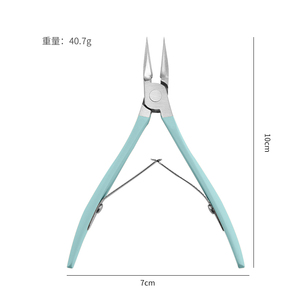
Driven by the surge in popularity of "hardware manicures" and Russian dry manicures globally, demand has pivoted toward ultra-fine, semi-curved 3mm to 5mm nipper jaws. Manufacturers are re-engineering blade angles to allow micro-precision cutting without pulling delicate live cuticles.
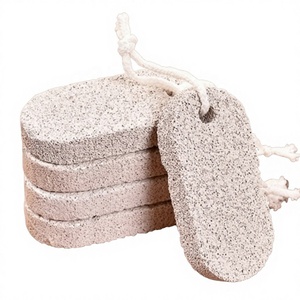
Brands are shifting toward sustainable foot and hand care tool compositions. Combining natural pumice stone, biodegradable wooden handles, and cotton suspension ropes with recyclable stainless steel components reduces plastic dependence across retail packaging lines.
Leading OEM factories have introduced deep cryogenic treatment (-196°C) immediately after vacuum heat treatment. This converts retained austenite into martensite, refining grain structure and extending edge retention life by up to 4x compared to conventional air-cooled steel.
To comply with EU Medical Device Regulation (MDR) standards and combat counterfeit products, major distributors require batch-level laser serial numbers etched directly onto handles alongside private label branding logos.
Procurement teams are requesting turn-key retail packaging—including custom magnetic gift boxes, FSC-certified cardboard sleeves, zip leatherette cases, and eco-friendly polybags—pre-labeled with Amazon FBA or regional retail barcodes.
Choosing the correct raw material directly dictates production cost, blade sharpener longevity, corrosion performance, and autoclave safety.
| Steel Grade / Material | Carbon Content (%) | Chromium (%) | Rockwell Hardness (HRC) | Corrosion Resistance | Recommended Application |
|---|---|---|---|---|---|
| AISI 440C High-Carbon Stainless | 0.95% - 1.20% | 16.0% - 18.0% | HRC 56 - 60 | High | Premium Salon Russian Nippers & Master Scissors |
| AISI 420J2 Surgical Stainless | 0.15% - 0.36% | 12.0% - 14.0% | HRC 48 - 52 | Very High | Standard Salon Nippers, Scissors & Pushers |
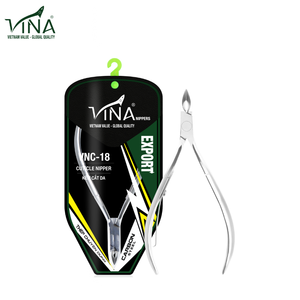
| High-Grade Carbon Steel (VNC Series) | 0.60% - 0.75% | Trace Elements | HRC 52 - 55 | Requires Plating | Heavy-Duty Daily Use Toenail & Cuticle Nippers |
| AISI 304 Non-Magnetic Stainless | ≤ 0.08% | 18.0% - 20.0% | Non-Hardenable | Maximum | Double-Ended Cuticle Pushers & Cleaner Handles |
| Natural Volcanic Pumice & Composite | N/A | N/A | N/A | Waterproof | Eco Foot Care Tools & Dead Skin Exfoliators |
How verified OEM manufacturers bridge the gap between raw metallurgical forging and retail-ready finished instruments.
Unlike lower-tier suppliers who rely on cold-stamped sheet metal, premium suppliers utilize hot drop-forging. Drop-forged steel aligns the internal grain flow of the metal along the contours of the tool body, eliminating internal micro-fractures under tension.
While automated CNC machines grind primary bevels, final edge honing requires human expertise. Master artisans inspect every jaw tip under 10x magnification to guarantee light-tight closure with zero light gap, ensuring smooth cutting without pulling skin.
Full private label capabilities include fiber-laser logo etching, chemical etching, pad printing, and custom color stamping. Brand logos remain clear and crisp even after repeated immersion in disinfected sanitizing fluids.
Quality assurance spans raw steel spectrographic testing, in-line dimensional checks, tension testing of double-spring mechanisms, surface passivation verification, and 100% final cutting tests on synthetic cuticle membranes before packing.
Support for both emerging independent beauty brands and global wholesale distributors. Scalable minimum order quantities (MOQs) for trial batch production runs combined with high-volume capacity for large-scale retail supply chains.
Seamless export handling with complete certification support (ISO 9001, CE, FDA registration). Multi-currency commercial invoice processing, custom duty optimization, and direct warehouse fulfillment (DDP, FOB, CIF).
Detailed technical and commercial answers designed for beauty tool brand managers, purchasing directors, and wholesale importers.
Carbon steel (such as the VNC-18 / VNC-666 series) allows for exceptionally sharp initial edge honing and high tensile strength at a lower material cost. However, carbon steel requires protective plating (chrome or nickel) or meticulous oil maintenance to prevent rust. Surgical-grade stainless steel (AISI 420/440C) contains high chromium levels, offering intrinsic resistance to corrosion, rust, and repeated autoclave heat sterilization, making it the preferred choice for professional salons.
Jaw alignment is audited during both rough grinding and final assembly. Engineers use precision box-joints or lap-joints secured with stainless steel rivets. After riveting, the inner edge is micro-ground and hand-adjusted by experienced toolmakers under illumination. A light-box test ensures that no ambient light passes through the closed jaw tips, indicating perfect flush contact (<0.02mm gap tolerance).
Yes. When laser engraving is conducted using high-frequency fiber lasers, the surface of the stainless steel is oxidized or micro-engraved below the top surface layer. Unlike silk-screen inks or cheap stickers, fiber laser marks do not fade, peel, or corrode during chemical disinfections (Barbicide) or high-temperature steam autoclave cycles up to 134°C (273°F).
For standard tool configurations with custom laser logos, sample approval typically takes 5 to 7 working days. If complete custom forging dies or custom handle molds are required, prototype sampling takes 20 to 30 days. Once pre-production samples are approved, standard mass production order lead times range between 25 and 40 days depending on overall order volume and packaging specifications.
B2B buyers should look for ISO 9001 (Quality Management Systems) and ISO 13485 (Medical Devices Quality Management) certifications. Additionally, verification of CE conformity and FDA factory registration ensures that manufacturing processes meet strict international sanitation, traceability, and material safety standards.
Whether you require private-label custom branding, specialized metallurgical coatings, or large-scale wholesale supply, our engineering team is ready to deliver tailored B2B solutions.