
High-precision hairdressing, barbering, manicure, and grooming instruments direct from OEM manufacturing facilities.
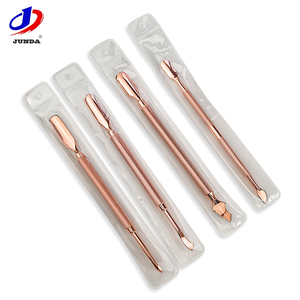
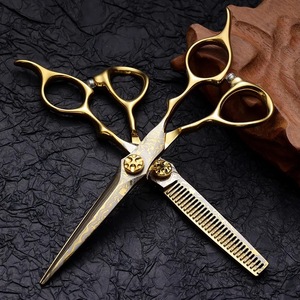
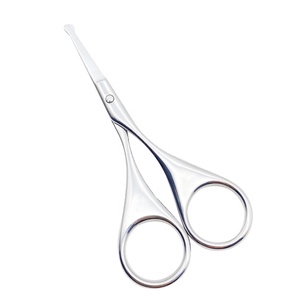
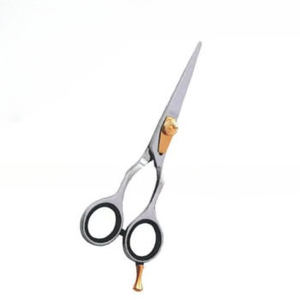
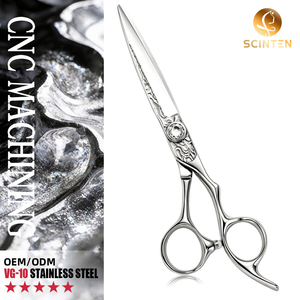
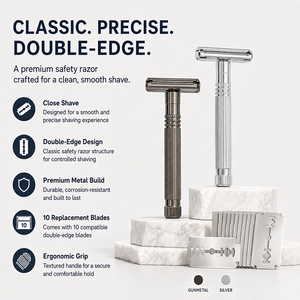
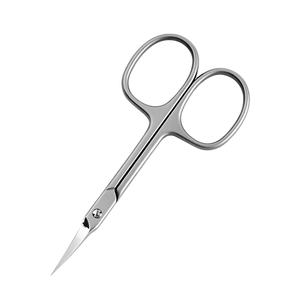
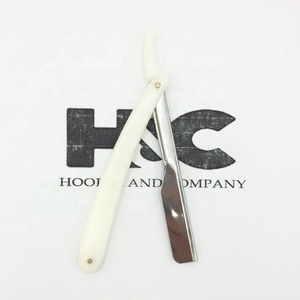
The global market for professional hairdressing shears, barber tools, and manicure implements has undergone a monumental shift toward specialized high-precision manufacturing. Procurement directors, brand managers, and salon chain distributors looking for top China professional hair scissors factories must look beyond surface-level wholesale listings. The modern OEM/ODM landscape relies on a sophisticated convergence of metallurgical engineering, automated CNC grinding, sub-zero cryogenic heat treatment, and traditional hand-honing art.
Leading Chinese manufacturing hubs—including specialized industrial clusters across Guangdong, Jiangsu, and export partner facilities—have established unified supply chains. These facilities process raw steel billets into precision-ground salon tools that rival traditional Solingen and Japanese cutlery clusters, while delivering scalable production capabilities and aggressive cost efficiencies for private-label distributors worldwide.
A critical challenge for B2B buyers lies in identifying the true structural composition of shear blades. The performance, edge retention, corrosion resistance, and resharpenability of hair cutting scissors directly correlate with the steel alloy selected. Below is an engineering benchmark table comparing common materials utilized across professional China hair scissors factories.
| Steel Alloy Grade | Carbon Content (%) | Chromium / Cobalt Additives | Typical Hardness (HRC) | Edge Retention & Durability | Recommended Target Segment |
|---|---|---|---|---|---|
| VG10 (Japanese Super Steel) | 0.95 - 1.05% | 15.0% Cr, 1.5% Co, 0.2% V | 60 - 62 HRC | Ultra-Premium (Convex Edge) | Master Stylists, High-End Salon Brands |
| 9Cr13CoMoV / 440C | 0.85 - 0.95% | 17.0% Cr, 1.0% Mo, 0.6% Co | 58 - 60 HRC | High Performance | Commercial Barbering & Salon Shears |
| 4Cr13 Stainless Steel | 0.35 - 0.45% | 13.0% Cr | 54 - 56 HRC | Medium / Standard | Value Salon Sets, Training Academies |
| J2 (420J2) Stainless Steel | 0.15 - 0.36% | 12.0 - 14.0% Cr | 52 - 54 HRC | Standard Utility | Entry-Level Shears, Mustache & Beard Trimmers |
Understanding these material parameters ensures that purchasing departments avoid common procurement traps such as deceptive labeling or sub-par heat treatments. High-grade VG10 cobalt steel, for instance, maintains a hair-splitting razor edge for over 100,000 cuts, whereas standard J2 or 4Cr13 steel provides exceptional rust resistance and impact toughness suited for entry-level grooming lines and cost-conscious retail kits.
When vetting OEM partners, enterprise buyers must evaluate the end-to-end manufacturing capability of the supply facility. From initial forging to final packaging, premium factories enforce strict quality gates across every stage of development.
Blade blanks are forged using high-tonnage friction presses to densify the internal grain structure of the steel, ensuring maximum structural integrity, zero internal voids, and long-term bend resistance under daily salon pressure.
Heat treatment is augmented with liquid nitrogen cryogenic freezing (-196°C) to convert residual austenite into ultra-hard martensite, stabilizing the blade hardness and guaranteeing edge retention over extended operational cycles.
Master artisans perform hand-grinding along water-cooled whetstones, producing authentic clamshell (Hamaguri) convex edges that slice through hair fibers cleanly without pushing, bending, or damaging split ends.
Advanced Physical Vapor Deposition (PVD) titanium coating technology allows factories to deliver stunning aesthetic finishes—including matte black, rose gold, rainbow plasma, and Damascus laser etching—with enhanced scratch resistance.
3D computer-aided anatomical modeling drives offset, crane, and swivel handle geometries. Designed with anatomically angled thumb rings, these shears reduce wrist strain and elbow elevation during intricate hair slide cuts.
Complete OEM turnkey services including precise fiber-laser brand logo engraving, customized ball-bearing tension screw colors, bespoke leatherette presentation cases, and barcode-ready retail packaging.
As the international salon and barber industry evolves, sourcing directors must align their supply chains with emerging product trends, technological advancements, and shifting consumer preferences. Understanding these multi-year forecasts provides significant information gain when planning inventory acquisitions and brand positioning.
Traditional center-screw tension mechanisms are rapidly being replaced by leaf-spring micro-adjustable ball-bearing systems. These advanced pivot joints eliminate blade play, lower friction during high-speed cutting, and prevent premature edge dulling. OEM orders specifying sealed precision ball bearings have grown over 40% year-over-year among top-tier distributor brands.
Modern hair salons and barber studios require comprehensive tool assortments. Cross-category procurement—combining primary shears, thinning/chunking scissors, Russian-style cuticle nippers, dead skin pushers, and straight edge shaving razor holders—allows brands to offer unified grooming kits. Consolidating orders with factories that manufacture both cut-throat razors and manicure tools streamlines shipping logistics and guarantees matching color finishes across product lines.
Environmental regulations and consumer interest in sustainable manufacturing have forced a move away from traditional electroplating processes that utilize hazardous hexavalent chromium. Leading Chinese suppliers are adopting vacuum PVD titanium coating and automated robotic buffing. These green finishing technologies provide superior corrosion resistance against salon harsh chemicals, hair dyes, and sterilizing autoclaves while remaining fully compliant with global environmental standards.
Historically underserved, left-handed hair stylists represent a rapidly growing market segment. Professional China factories now offer true left-handed blade geometry—where the top blade is reversed rather than simply flipping the handle rings—ensuring natural sightlines and effortless cutting mechanics without muscular strain.
To establish a resilient supply chain, international buyers should follow a structured verification process before issuing purchase orders for custom hairdressing shears. Use the following operational roadmap to ensure seamless quality control and timely order fulfillment:
Clear communication is key to successful OEM relationships. Below are authoritative answers to common inquiries raised by buyers during scissor and beauty instrument procurement.
Connect with our senior engineering team to request physical product samples, custom metallurgical consultations, or instant OEM bulk production quotations.
Get a Quote