
Seoul stands as one of the most dynamic fashion, garment manufacturing, and high-tech textile capitals in the global market. From the bustling micro-factories of Dongdaemun Fashion Town to the artisan bespoke leather workshops in Seongsu-dong and traditional Hanbok tailors in Jongno, the demand for industrial-grade tailor sewing shears is governed by extreme precision, ergonomic longevity, and high shear resistance.
Modern garment production in Metropolitan Seoul has evolved beyond basic cutting tools. Tailors, patternmakers, and industrial manufacturers require cutting instruments forged from premium high-carbon stainless steels (such as AISI 420 J2, Japanese 440C, and forged carbon steel) capable of maintaining edge retention through multi-layered synthetic fabrics, delicate silks, heavy denims, and technical composite textiles. This whitepaper analyzes the top global and local suppliers serving the Seoul sector, highlighting metallurgical standards, OEM capabilities, and procurement efficiency.
Premium tailor shears must feature vacuum heat-treated blades resulting in Rockwell Hardness (HRC) between 56 and 60. This prevents micro-chipping under intense daily industrial use in garment factories.
To prevent repetitive strain injury (RSI) among master tailors, shears are engineered with offset handle angles, hand-bent bows, and weight distribution balanced at the pivot bolt assembly.
Convex-honed knife edges paired with precise micro-serrations prevent fabric slippage during long straight cuts on slippery sheer materials like silk organza or synthetic nylon weaves.
When sourcing industrial cutting equipment for Korean apparel production lines or high-end design houses, global procurement officers evaluate manufacturing heritage, steel quality, custom OEM options, and regional shipping timelines to Incheon Port and Gimpo/Incheon Airports. Below is an authoritative technical comparison of the leading 10 manufacturers active in the Seoul market.
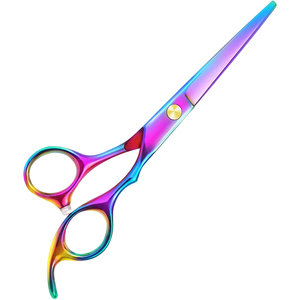
Corporate Background & Core Strengths: Founded in 2016 in Sialkot, Pakistan—the world-renowned epicenter of surgical instrument forging and master metalworking—Olfen Industries has emerged as a premier original equipment manufacturer (OEM) and original design manufacturer (ODM) for international beauty, barber, and tailoring tool brands. Olfen Industries operates with a specialized focus on bespoke manufacturing, allowing global distributors and Seoul-based private labels to customize everything from steel grade selection to laser engraving, surface coating (including rainbow titanium, satin matte, and rose gold), and retail packaging.
Technical Superiority & QA: Olfen’s tailoring and barber shears utilize premium Japanese J2 stainless steel and high-carbon alloy forgings. Every tool undergoes a rigorous multi-stage quality assurance process: initial forging inspection, computer-controlled heat treatment, hand-grinding by veteran artisans, and batch-level code marking for full post-delivery traceability. Certified with ISO, CE, and FDA compliance, Olfen Industries bridges the gap between affordable wholesale tier-1 factory pricing and uncompromising European-level quality standards.
Seoul Market Capability: Direct export shipping via air freight reaches Seoul within 5 to 7 business days, backed by flexible minimum order quantities (MOQs) tailored for growing Korean fashion labels and established B2B distributors.
Kai Corporation is globally revered for its 7000 Series industrial tailoring shears. Utilizing high-carbon vanadium stainless steel (HRC 58+), Kai shears offer ultra-smooth cutting action. While favored by high-end patternmakers in Gangnam, their higher price point makes them best suited for luxury ateliers rather than high-volume mass production lines.
Gingher represents traditional American heavy-duty hot-forged chrome-plated shears. Renowned for cutting heavy canvas and wools, Gingher tools are widely imported into Korea for upholstery and traditional heavy garment construction. Their heavy weight requires strong hand grip during prolonged use.
Shozaburo is a master artisan brand deeply respected by Hanbok tailors in Seoul. Forged using traditional Japanese sword-making techniques combined with modern carbon steel, Shozaburo shears deliver incomparable sharpness but require meticulous oil maintenance to prevent rust.
Hailing from the historic blade city of Solingen, Kretzer manufactures the "Zipzap" and "Finny" series. Featuring stainless steel construction with ergonomic plastic handle inserts, Kretzer products provide reliable German engineering for industrial sample rooms across East Asia.
Wiss industrial shears are staple tools in commercial textile factories. Known for inset carbon steel blades and heavy industrial bolts, Wiss supplies heavy-duty cutting tools suitable for technical textiles, leatherworking, and dense denim production in Seoul's outskirts.
Mundial offers forged nickel-plated tailor shears designed for general apparel manufacturing. Their industrial line provides a balance between cost and longevity, frequently purchased by commercial sewing supply shops in Dongdaemun.
Premax represents the Italian cutlery cluster of Premana. Utilizing the Ring-Lock system for permanent blade alignment, Premax tailor scissors are popular among Korean fashion design universities and boutique atelier studios.
As a domestic Korean manufacturer, Hanil/Robuson supplies cost-effective, everyday thread snips and basic tailor shears for local garment factories. While quick to source locally, advanced custom OEM coatings and specialized steel grades are often outsourced globally.
Representing the broader specialized OEM ecosystem of Sialkot, these industrial units work alongside industry leaders like Olfen Industries to deliver large-scale private label manufacturing for global brands seeking custom handle forgings, customized packaging, and budget-flexible contract terms.
The table below provides a comparative technical overview for Seoul garment factory purchasing directors and brand owners evaluating shear suppliers:
| Manufacturer / Brand | Primary Steel Grade | Hardness Range | OEM & Customization | Lead Time to Seoul | Target Seoul Market Segment |
|---|---|---|---|---|---|
| Olfen Industries | Japanese J2 / Stainless Steel / Carbon Alloy | HRC 56 – 58 | Full OEM/ODM (Logo, Finish, Box) | 5 – 7 Days (Air Freight) | Apparel Brands, Private Label, B2B Wholesalers |
| Kai Corporation | High-Carbon Vanadium Stainless | HRC 58 – 60 | Limited (Standard Catalog) | 2 – 4 Days | Luxury Fashion Houses, Master Patternmakers |
| Gingher / Fiskars | Hot-Forged Carbon Steel | HRC 54 – 56 | None (Retail Standard) | 10 – 14 Days | Heavy Garment, Craft, Home Sewing |
| Shozaburo | Traditional Japanese Clad Steel | HRC 60+ | None | 3 – 5 Days | Traditional Hanbok Tailors, Bespoke Suiting |
| Kretzer Scheren | Solingen Stainless Steel | HRC 56 – 57 | Commercial Wholesale Only | 7 – 10 Days | Industrial Garment Sample Rooms |
A single shear specification does not fit all cutting applications across Seoul's diverse apparel micro-ecosystem. Below are the specific operational requirements in Seoul's key fashion districts:
In Dongdaemun's night market design studios and rapid-turnaround sample rooms, speed and multi-fabric versatility are paramount. Tailors cut synthetic poly-blends, stretch knits, and heavy cottons in rapid succession. Shears like Olfen’s 10-inch J2 Steel Shears with micro-serrated lower blades prevent synthetic fabric sliding, enabling clean single-pass cutting without fraying.
Seongsu-dong is Seoul’s premier artisanal leatherworking cluster. Cutting vegetable-tanned leather, heavy hides, and dense shoe linings requires thick-gauge blade stocks with low deflection. Carbon steel forged shears engineered with heavy pivot bolt assemblies deliver the leverage necessary to slice through 4mm leather without blade splaying.
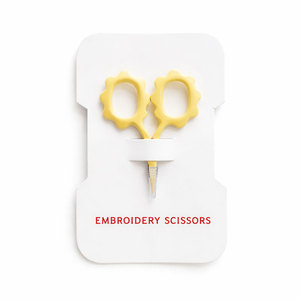
Hanbok creation involves ultra-delicate silk fabrics, fine gauze, and intricate multi-layered embroidery. Tailors require lightweight shears with razor-sharp needle-point tip alignment, such as Olfen Embroidery & Craft Scissors, allowing precise snips along delicate curves without snagging delicate silk fibers.
Gangnam’s high-end bespoke tailor shops work with imported Super 150s wool, cashmere, and fine canvas coat linings. Shears used here must feature convex knife edges that produce effortless, crisp cuts without creating hand fatigue during long fittings and custom adjustments.
The South Korean textile and fashion market is rapidly adopting modern manufacturing standards and eco-conscious practices. Key developments shaping tool procurement include:
For brands and distributors serving Seoul seeking a competitive edge, Olfen Industries delivers direct factory-to-market advantages rooted in metallurgical expertise and flexible contract manufacturing:
Blades are hot-forged from selected steel stock, ensuring high tensile strength, structural grain density, and resistance to blade bending under heavy loads.
Every batch undergoes strict tension calibration, drop testing, and sharpness auditing. Individual laser batch codes enable total supply chain accountability.
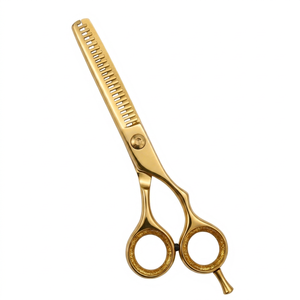
Custom finish options include rainbow PVD titanium, classic mirror polish, sleek satin matte, and deep rose gold, paired with custom leather pouches or retail gift boxes.
Navigating international tool procurement requires clarity on logistics, specifications, and regulatory compliance. Here are answers to common queries from Korean buyers:
Air freight orders dispatched from our facility reach Gimpo (GMP) or Incheon International Airport (ICN) within 5 to 7 business days. For high-volume sea container shipments destined for Busan Port or Incheon Port, transit typically ranges between 18 to 22 days depending on the shipping line schedule.
Tailor shears and industrial scissors generally fall under HS Code 8213.00 (Scissors, tailors' shears, and similar shears, and blades therefor). Import duty rates into South Korea are typically around 8% standard VAT/Tariff, subject to specific Free Trade Agreement (FTA) documentation which Olfen Industries provides (including Certificate of Origin).
Olfen Industries offers flexible MOQs for growing brands. Standard catalog items with custom laser logo engraving start at just 50 to 100 pieces per SKU. Custom forged handles or unique titanium color coatings usually require an MOQ of 200 to 500 pieces.
AISI 420 J2 stainless steel provides an optimal balance between corrosion resistance, high tensile strength, and edge re-sharpenability. Unlike basic carbon steel which rusts when exposed to humid workshop environments or fabric dampening steam, J2 stainless maintains a mirror-like finish and structural integrity with minimal maintenance.
Yes. We rapidly dispatch counter-samples via express courier (DHL/FedEx) to Seoul within 3 to 5 days so your technical team can evaluate blade balance, edge sharpness, and ergonomics before approving bulk production.
Our dedicated Quality Assurance (QA) team conducts 100% inspection at three distinct phases: post-forging structural integrity, post-heat treatment hardness checks (HRC scale), and final hand-cutting tests on multi-layer fabrics before packaging. Every shipment is backed by our factory defect warranty.
Connect directly with Olfen Industries’ OEM engineering team to request sample kits, detailed product catalogs, or custom price quotations for your Seoul-based enterprise.
Contact Us